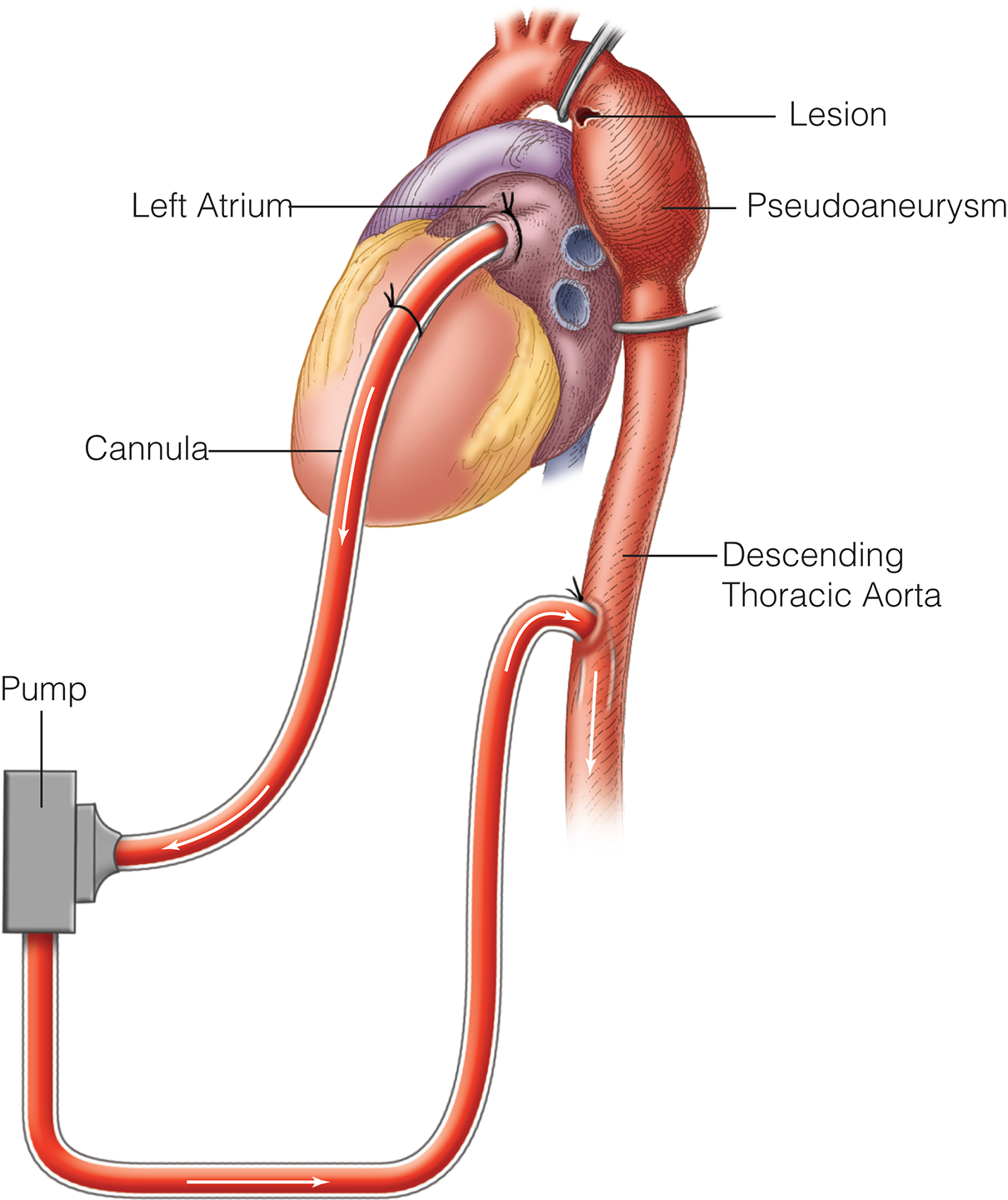
- BTAI is now the gold standard n treating patients with these problems
- The grade of injury with these lesions has been defined and there is controversy on which lesion should be treated and how emergently
- Recently in the US a device changed its IFU because of complications after TEVAR for BTAI. It was being used outside its IFU.
- Recent advancement on sizing and device differences between BTAI and other pathologies treated with TEVAR
Latest Updates



Complementary and Alternative Medicine: Is It Alternative or Mainstream for Managing Low Back Pain?
- Complementary and alternative medicine therapies are now an important part of the management of chronic low back pain in patients.
- Physical modalities such as yoga and tai chi aim for a mind-body connection effect to help treat chronic low back pain.
- Acupuncture has been shown in some medical studies to be of benefit with chronic pain when combined with conventional treatments.
- Herbal medicines are increasingly being used by patients to treat back pain. Regulation of this industry is required to ensure the safety and reliability of these agents.
- Medical marijuana is being advocated by many for chronic low back pain; at present, research is not conclusive on the benefit of this herbal. Further research is required prior to universal recommendation.

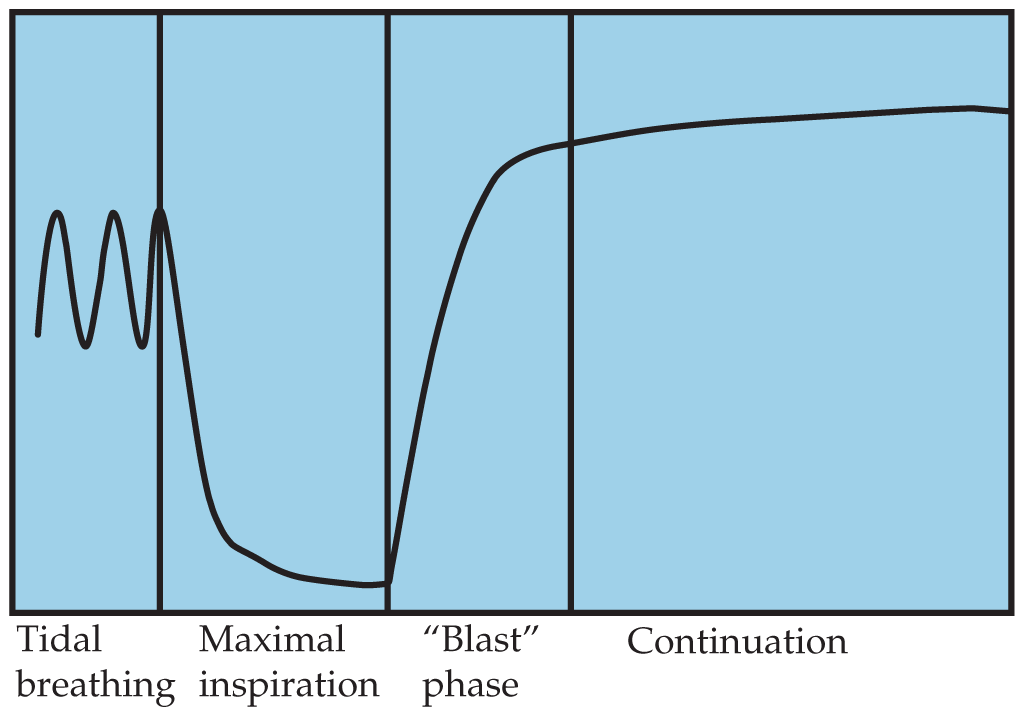
- Spirometry has few absolute contraindications, although several conditions should merit caution and others may affect the quality of results. Pain, nausea, or other subjective discomforts, as well as altered mental status, will likely lead to poor results and therefore are relative contraindications.
- The role of the carbon monoxide (CO) diffusing capacity (DLCO) test is to provide information on the transfer of gas from alveolar air to the bloodstream. DLCO reflects the overall efficiency of gas movement at each step from the mouth to the hemoglobin in the pulmonary capillary blood.
- Certain substances and behavior should be avoided prior to testing as they can lead to either false positives or false negatives. Recent upper respiratory tract infection and cigarette smoking can elevate bronchial hyperresponsiveness.

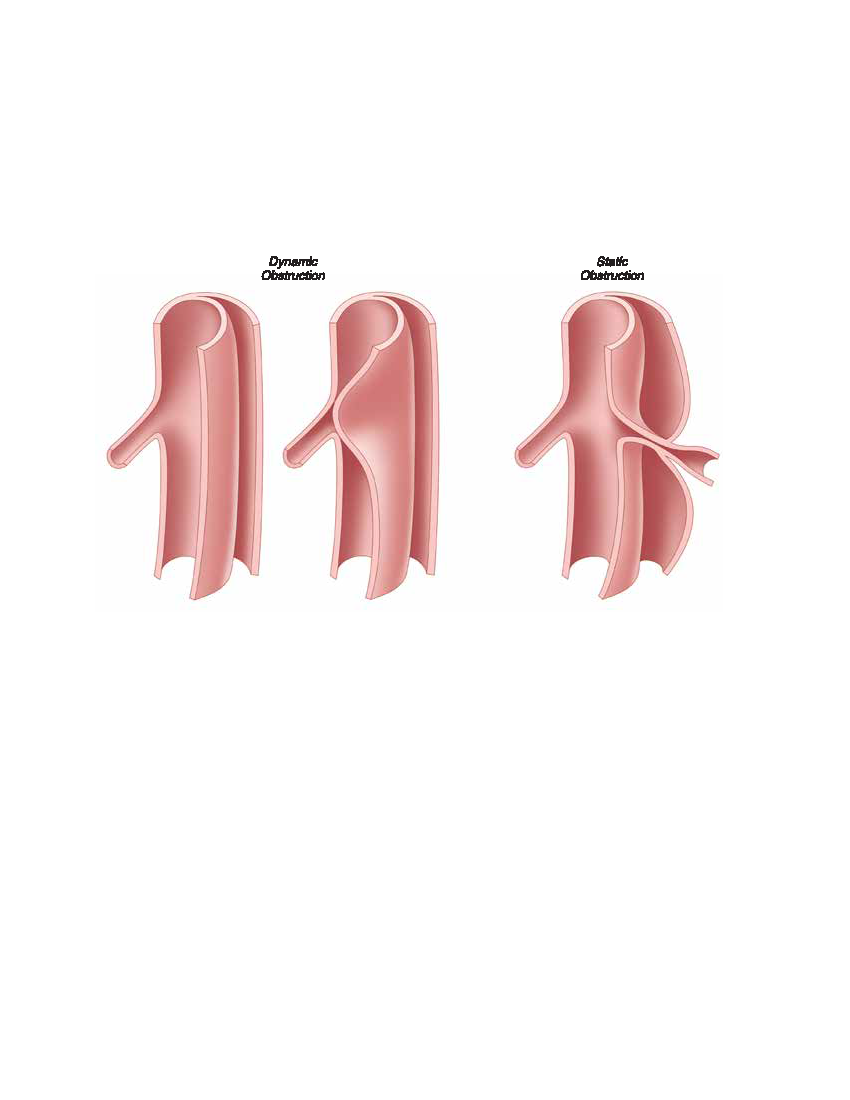
- Surgical treatment of uncomplicated type B aortic dissection
- Endovascular techniques for malperfusion syndrome
- Standard practice of intravascular ultrasonography
- Importance of false lumen thrombosis
- Maneuvers to decrease the risk of spinal cord ischemia in open aortic surgery
- Spirometry has few absolute contraindications, although several conditions should merit caution and others may affect the quality of results. Pain, nausea, or other subjective discomforts, as well as altered mental status, will likely lead to poor results and therefore are relative contraindications.
- The role of the carbon monoxide (CO) diffusing capacity (DLCO) test is to provide information on the transfer of gas from alveolar air to the bloodstream. DLCO reflects the overall efficiency of gas movement at each step from the mouth to the hemoglobin in the pulmonary capillary blood.
- Certain substances and behavior should be avoided prior to testing as they can lead to either false positives or false negatives. Recent upper respiratory tract infection and cigarette smoking can elevate bronchial hyperresponsiveness.

- Spirometry has few absolute contraindications, although several conditions should merit caution and others may affect the quality of results. Pain, nausea, or other subjective discomforts, as well as altered mental status, will likely lead to poor results and therefore are relative contraindications.
- The role of the carbon monoxide (CO) diffusing capacity (DLCO) test is to provide information on the transfer of gas from alveolar air to the bloodstream. DLCO reflects the overall efficiency of gas movement at each step from the mouth to the hemoglobin in the pulmonary capillary blood.
- Certain substances and behavior should be avoided prior to testing as they can lead to either false positives or false negatives. Recent upper respiratory tract infection and cigarette smoking can elevate bronchial hyperresponsiveness.

Initial Management of Life-Threatening Trauma
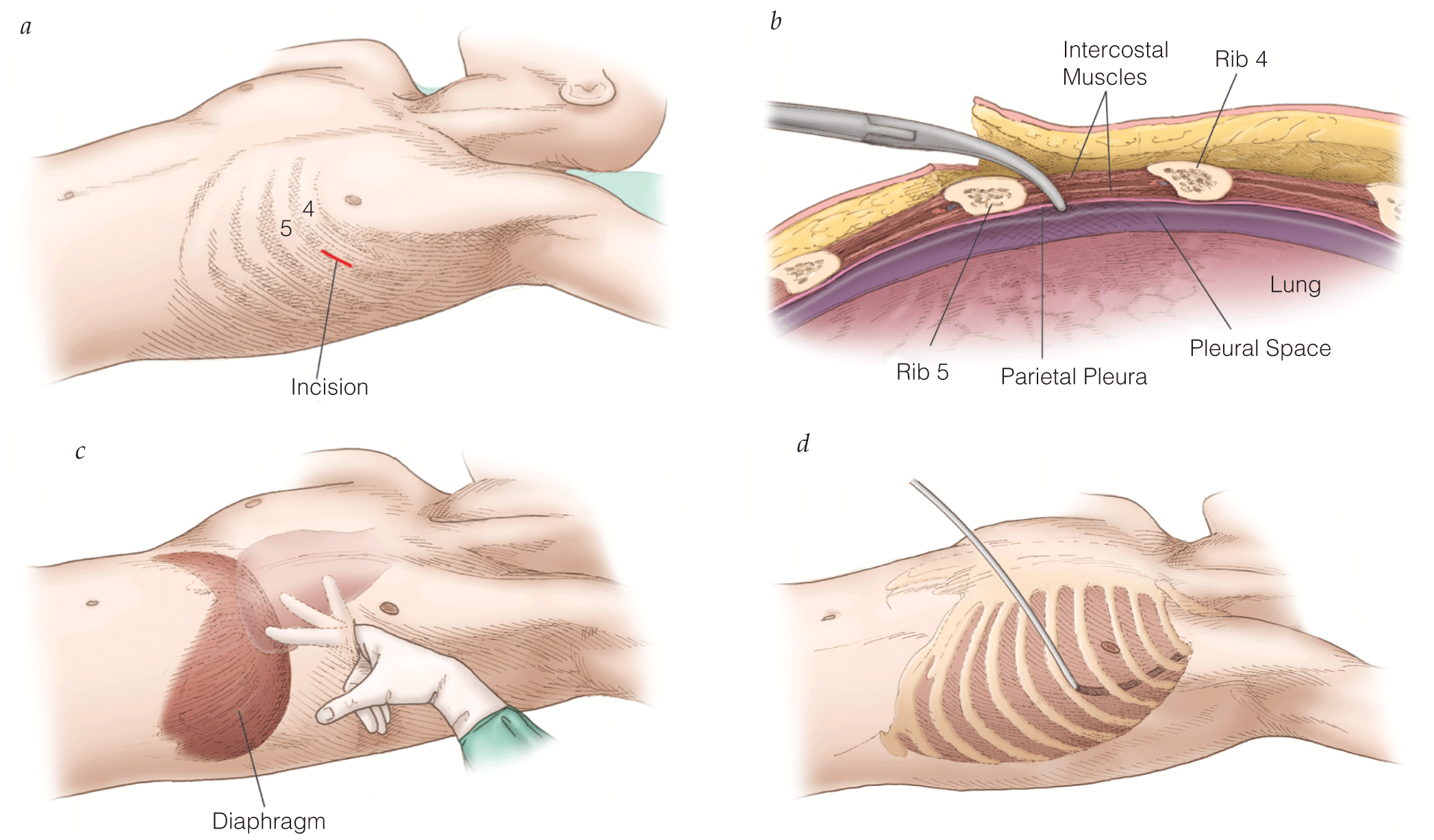
- Initial volume resuscitation should commence with 1 L isotonic crystalloid solution followed by blood products at 1:1:1 ratio (1 unit packed red blood cells to 1 unit fresh frozen plasma to 1 unit platelets) if the patient is not responsive to the initial fluid bolus.
- In patients with massive hemorrhage or evidence of fibrinolysis, tranexamic acid has demonstrated improved survival if administered within 3 hours of injury.
- Use of resuscitative endovascular balloon occlusion of the aorta may be an important adjunct in the control of life-threatening abdominal or pelvic hemorrhage.
- In cases of external hemorrhage of an extremity, a tourniquet should be used to control bleeding.
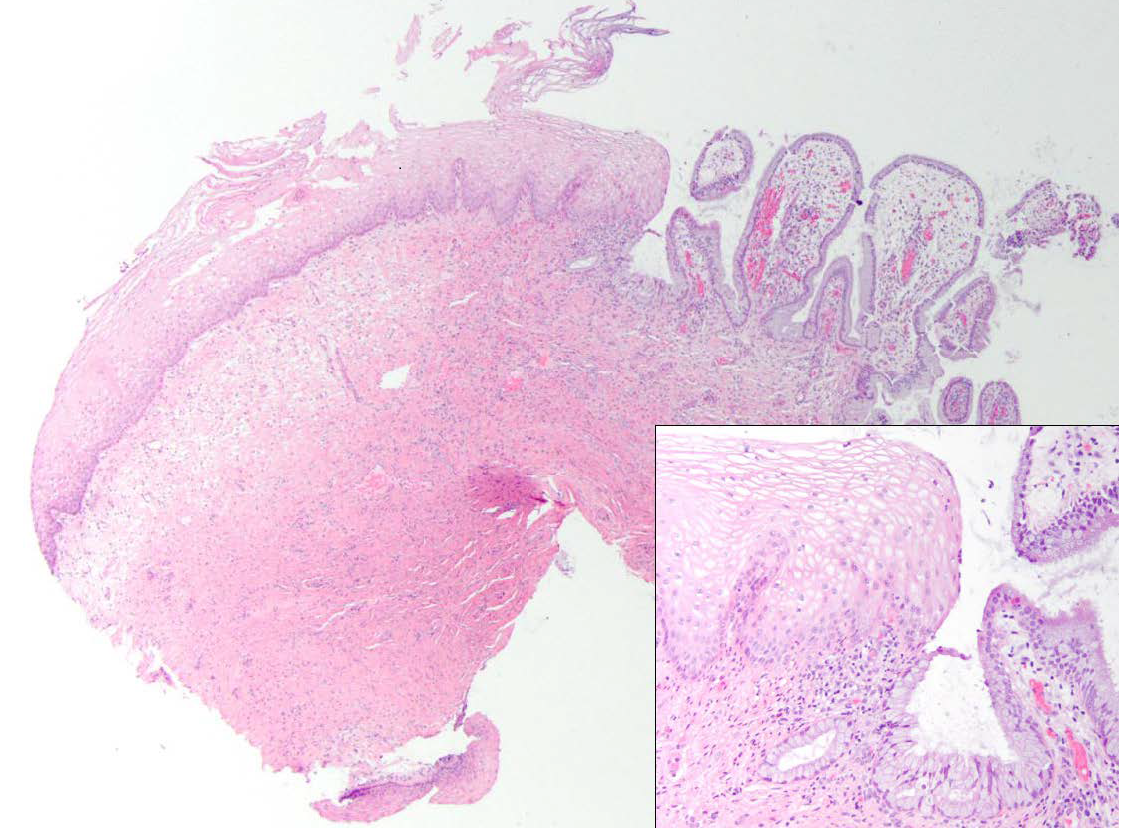
Cervical Dysplasia and Human Papillomavirus
- Large randomized trials of Pap and HPV cotesting found that after extended follow-up, the incidence of invasive cervical cancer was significantly lower in women initially screened with HPV-based testing compared with cytology alone.
- Screening that includes assessment of HPV status provides 60 to 70% greater protection against invasive cervical carcinomas compared with cytology alone.
- Vaccination rates for the HPV vaccine, approved in the United States since 2006, are well below national goals, and provider recommendation has been found to be the most important factor influencing a patient’s or parent’s decision as to whether or not to accept the HPV vaccine.