Latest Updates

Complementary and Alternative Medicine: Is It Alternative or Mainstream for Managing Low Back Pain?

    • Complementary and alternative medicine therapies are now an important part of the management of chronic low back pain in patients.
    • Physical modalities such as yoga and tai chi aim for a mind-body connection effect to help treat chronic low back pain.
    • Acupuncture has been shown in some medical studies to be of benefit with chronic pain when combined with conventional treatments.
    • Herbal medicines are increasingly being used by patients to treat back pain. Regulation of this industry is required to ensure the safety and reliability of these agents.
    • Medical marijuana is being advocated by many for chronic low back pain; at present, research is not conclusive on the benefit of this herbal. Further research is required prior to universal recommendation. 

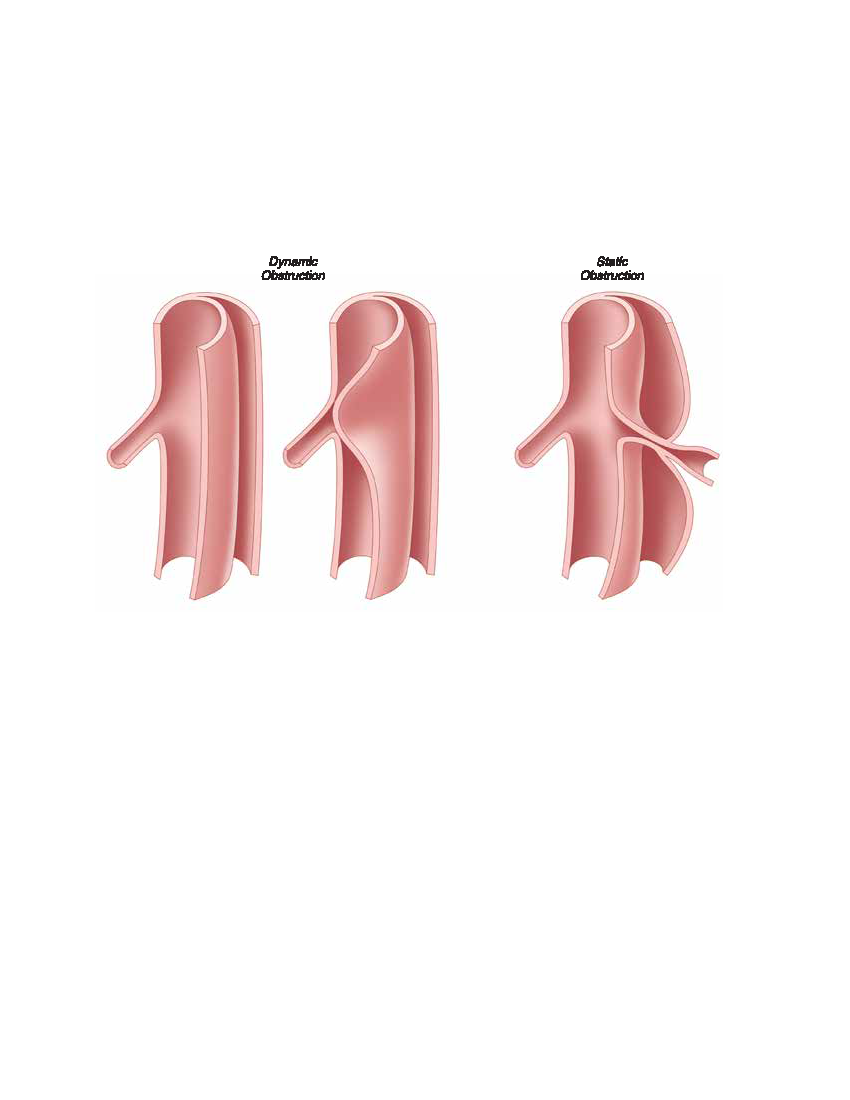
Aortic Dissection

    • Surgical treatment of uncomplicated type B aortic dissection
    • Endovascular techniques for malperfusion syndrome
    • Standard practice of intravascular ultrasonography
    • Importance of false lumen thrombosis
    • Maneuvers to decrease the risk of spinal cord ischemia in open aortic surgery

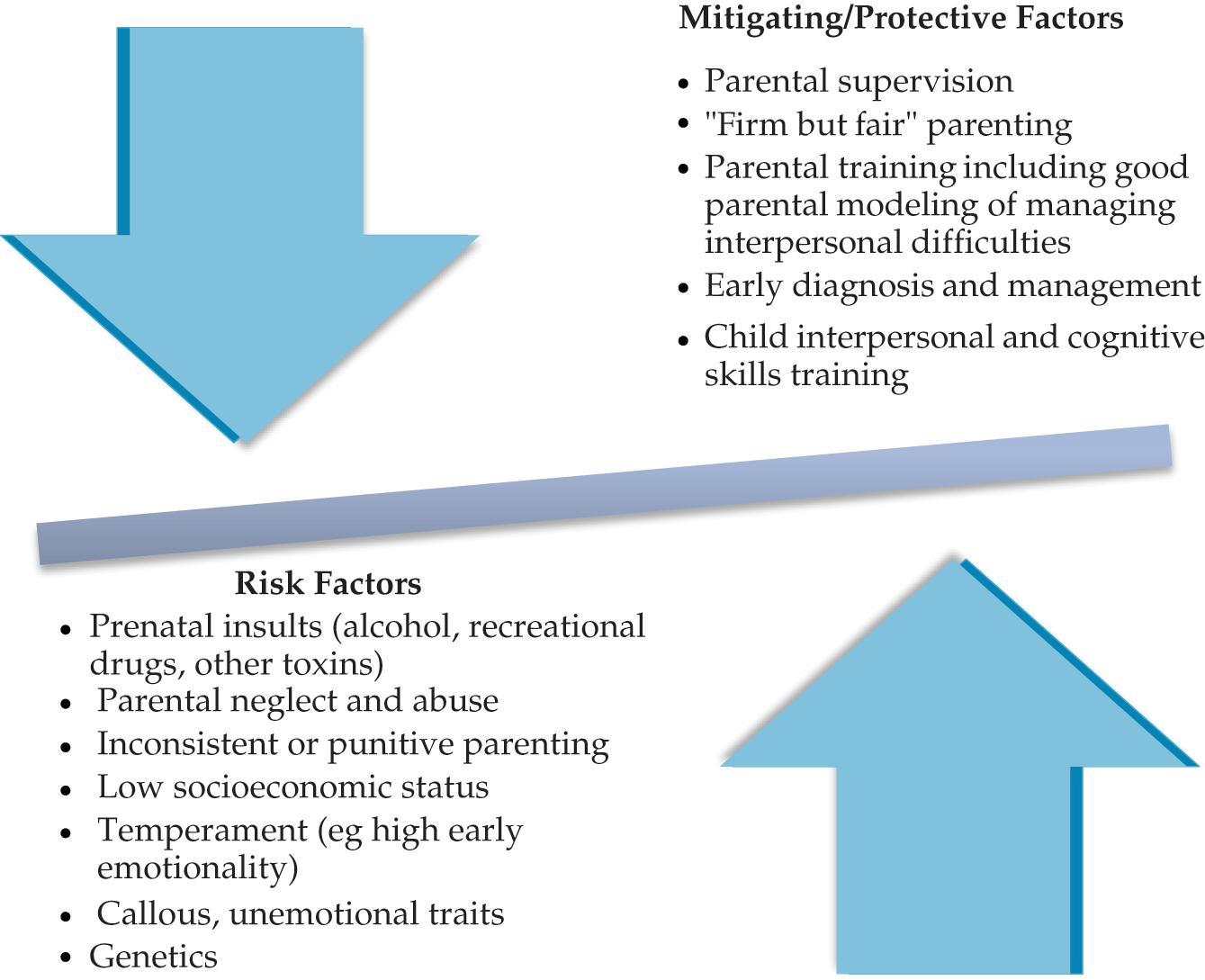
Oppositional Defiant Disorder and Its Clinical Management

    • Oppositional defiant disorder (ODD) has a high prevalence and substantial morbidity
    • Diagnosis of ODD is based on a careful history, interview, mental status examination, and collateral information from school.
    • Disruptive mood dysregulation disorder is a new DSM-5 diagnosis that should be carefully considered in the differential diagnosis of children and adolescents with ODD
    • Genetic and neuroimaging studies have examined the possible neurobiological basis of ODD, but to date there is no definitive biomarker or biological findings in ODD.
    • Parent behavioral management training and psychosocial interventions are the cornerstone of treatment planning for ODD. 

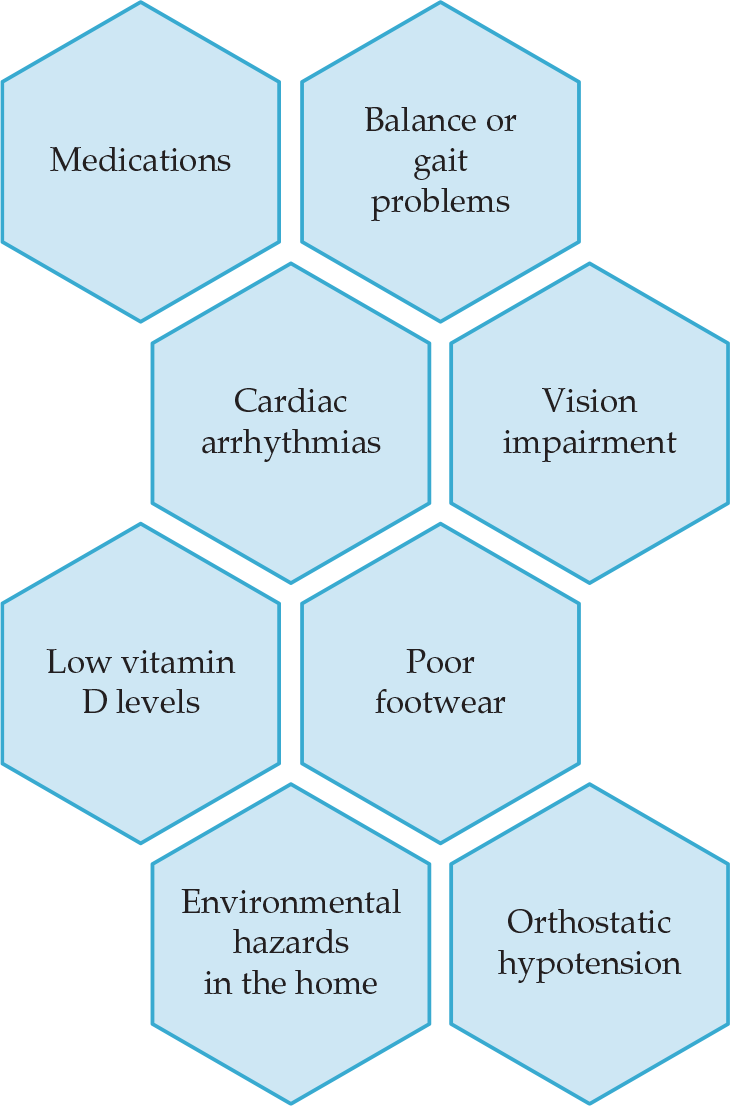
Approach to the Geriatric Patient

    • 2016 EAST practice management guideline on prevention of fall-related injuries in the elderly
    • 2016 CTF on Preventive Health Care recommendations on screening for cognitive impairment in older adults
    • 2016 USPSTF recommendation statement on screening for depression in adults
    • 2015 AGS Beers criteria for potentially inappropriate medication use in older adults
    • 2016 AAO preferred practice guideline on comprehensive adult medical eye evaluation

Management of the Geriatric Patient

    • Emphasis on the importance of exercise in interventions to prevent falls
    • Increasing research on interventions to improve frailty with promising work on interventions that include an exercise component as well as nutritional measures

    • Recommendation against vitamin D to prevent falls in patients without osteoporosis or vitamin D deficiency

    • New and emerging therapies for pressure ulcers stress the importance of microclimate control, prophylactic dressings, and attention to reducing shear and friction in addition to pressure.

Management of the Geriatric Patient

    • Emphasis on the importance of exercise in interventions to prevent falls
    • Increasing research on interventions to improve frailty with promising work on interventions that include an exercise component as well as nutritional measures

    • Recommendation against vitamin D to prevent falls in patients without osteoporosis or vitamin D deficiency

    • New and emerging therapies for pressure ulcers stress the importance of microclimate control, prophylactic dressings, and attention to reducing shear and friction in addition to pressure.

Management of the Geriatric Patient

    • Emphasis on the importance of exercise in interventions to prevent falls
    • Increasing research on interventions to improve frailty with promising work on interventions that include an exercise component as well as nutritional measures

    • Recommendation against vitamin D to prevent falls in patients without osteoporosis or vitamin D deficiency

    • New and emerging therapies for pressure ulcers stress the importance of microclimate control, prophylactic dressings, and attention to reducing shear and friction in addition to pressure.

Aortic Dissection

    • Surgical treatment of uncomplicated type B aortic dissection
    • Endovascular techniques for malperfusion syndrome
    • Standard practice of intravascular ultrasonography
    • Importance of false lumen thrombosis
    • Maneuvers to decrease the risk of spinal cord ischemia in open aortic surgery
« Previous | Next »
Updates per yearSpecialty updatesNumber of sections