Latest Updates

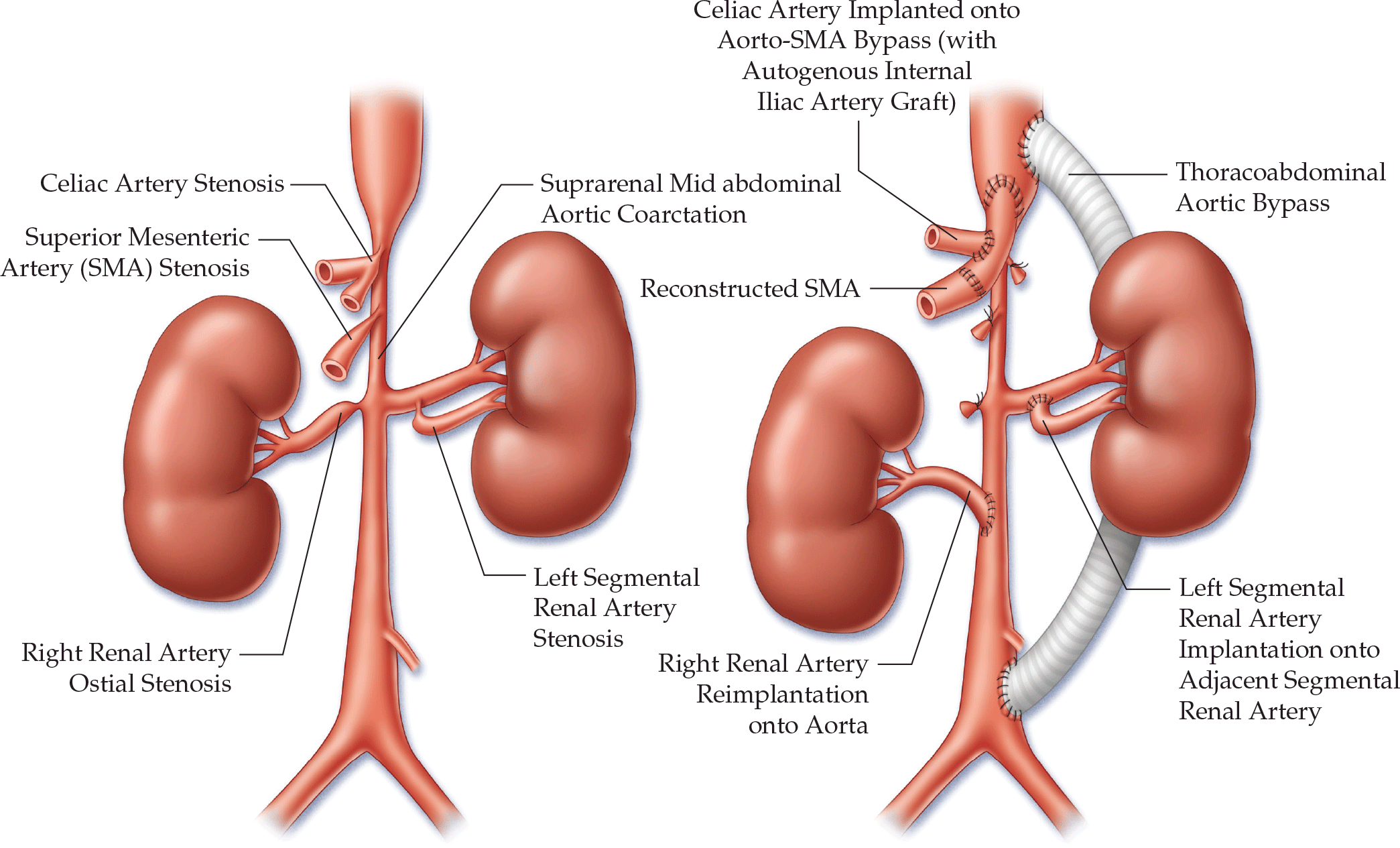
Renovascular Hypertension and Stenosis

    • Clinical trials demonstrate renal artery stenting offers no benefit over medical therapy among patients with renal artery stenosis and hypertension or chronic kidney disease.
    • Stenting should be reserved for patients who fail medical therapy.
    • Optimizing outcomes for renal artery stenting requires an understanding of clinical predictors that portend a higher probability of improved blood pressure or renal function with stenting.
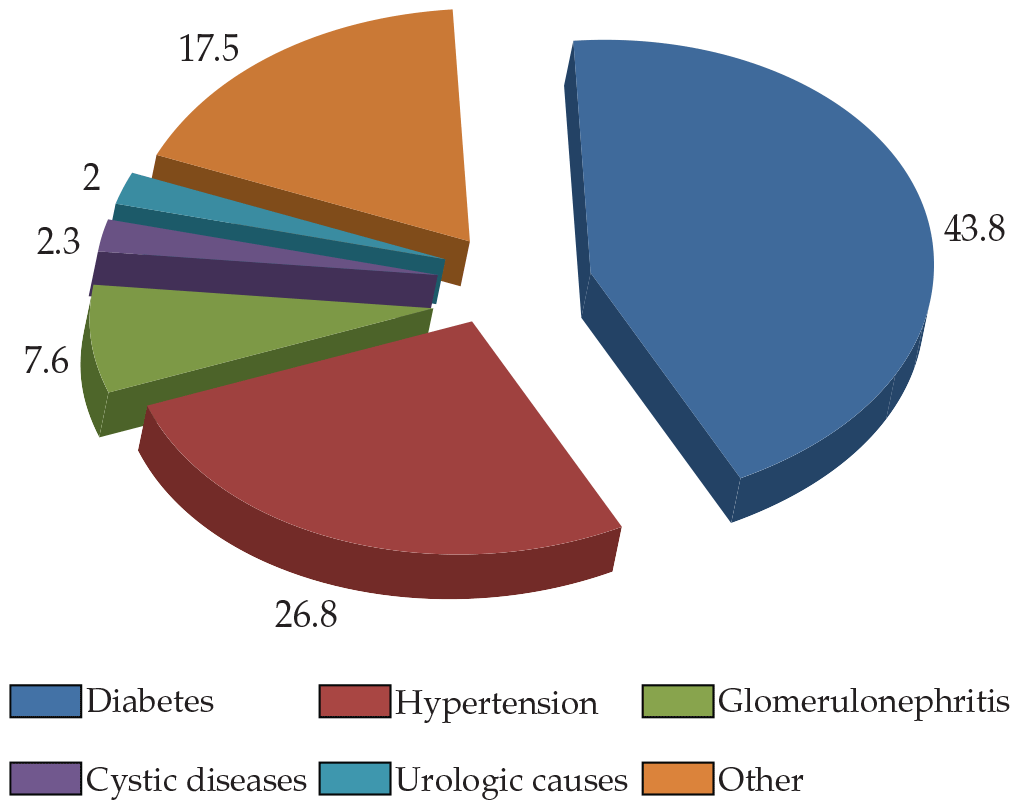
Management of Chronic Kidney Disease and its Complications

    • Diabetes Canada 2018 Clinical Practice Guidelines for the Prevention and Management of Diabetes in Canada
    • Diagnosis, Evaluation, Prevention, and Treatment of Chronic Kidney Disease-Mineral and Bone Disorder: Synopsis of the Kidney Disease: Improving Global Outcomes 2017 Clinical Practice Guideline Update.
    • 2020 KDOQI practice guidelines for nutrition in patients with CKD

Management of Chronic Kidney Disease and its Complications

    • Diabetes Canada 2018 Clinical Practice Guidelines for the Prevention and Management of Diabetes in Canada
    • Diagnosis, Evaluation, Prevention, and Treatment of Chronic Kidney Disease-Mineral and Bone Disorder: Synopsis of the Kidney Disease: Improving Global Outcomes 2017 Clinical Practice Guideline Update.
    • 2020 KDOQI practice guidelines for nutrition in patients with CKD

Renovascular Hypertension and Stenosis

    • Clinical trials demonstrate renal artery stenting offers no benefit over medical therapy among patients with renal artery stenosis and hypertension or chronic kidney disease.
    • Stenting should be reserved for patients who fail medical therapy.
    • Optimizing outcomes for renal artery stenting requires an understanding of clinical predictors that portend a higher probability of improved blood pressure or renal function with stenting.

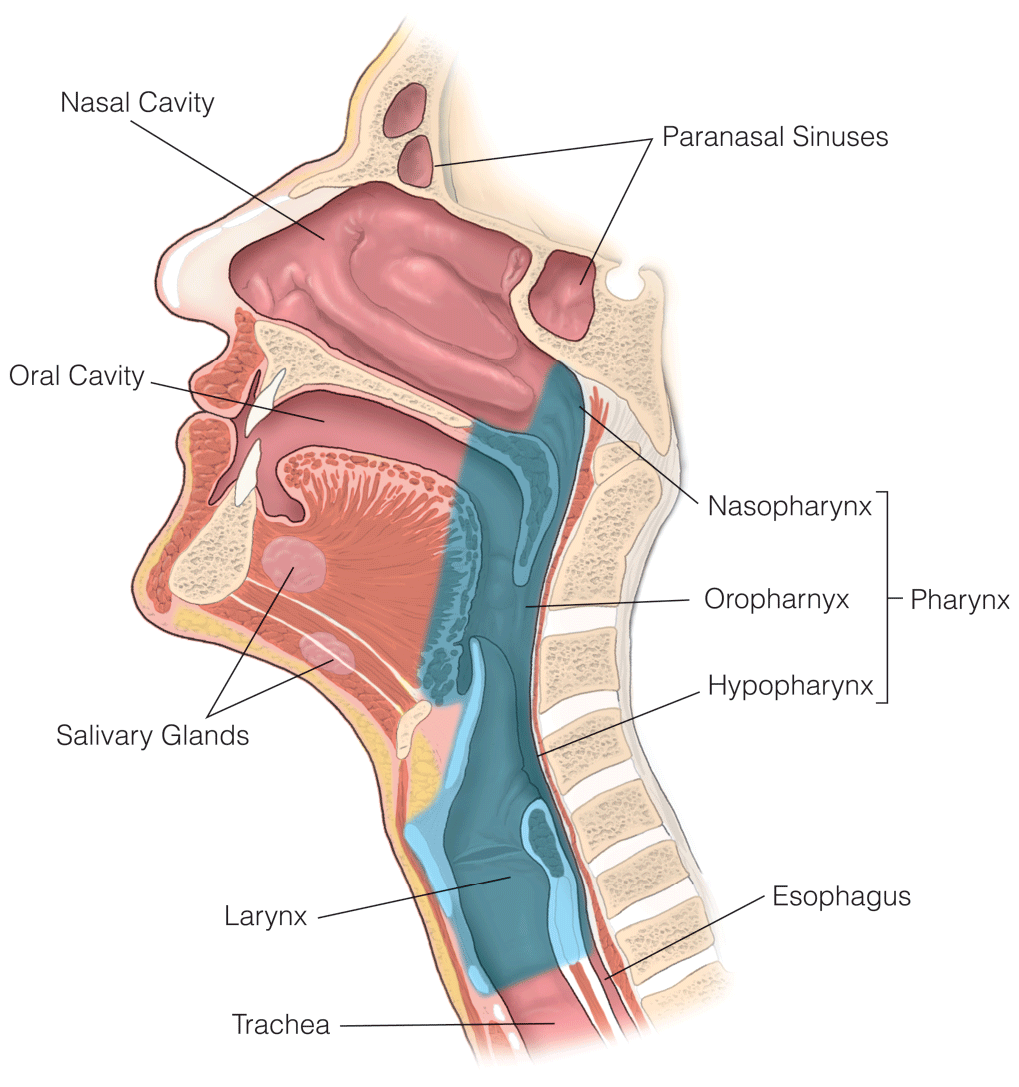
Neck Dissection

    • The use of microvascular free tissue transfer to reconstruct surgical defects in the head has allowed surgeons to resect large tumors with large margins while simultaneously achieving improved functional results.
    • Imaging studies (e.g., computed tomography [CT] and magnetic resonance imaging) may be helpful in locating the source of a cervical metastasis. Positron emission tomography (PET) detects lesions with increased metabolic activity but has the limitation of being unable to detect lesions smaller than 1 cm in diameter. 

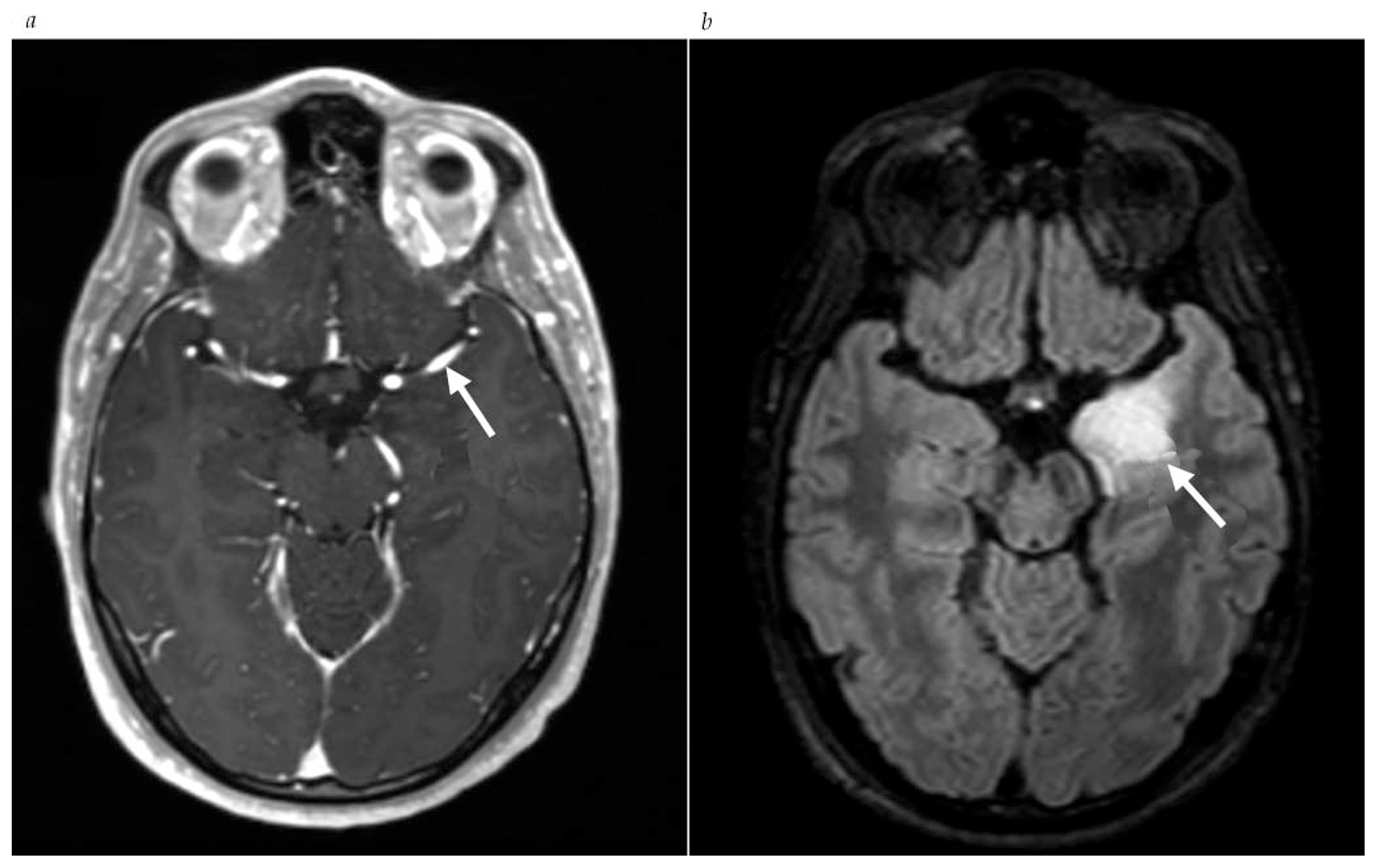
Primary and Metastatic Central Nervous System Malignancies

    • The main function of corticosteroids in CNS tumors is to control brain and spinal cord vasogenic edema and decrease intracranial pressure. Corticosteroids should be used with caution because of its significant side effects, such as insomnia, hyperglycemia, myopathy, psychiatric effects, and opportunistic infections. 
    • Maximal safe resection is recommended for all glioma grades and subtypes if the tumor is surgically accessible and there are no absolute medical contraindications to surgery. Nevertheless, even a macroscopic complete resection is almost never curative because grade II to IV gliomas infiltrate the normal brain.
    • The addition of WBRT to either surgical resection or radiosurgery decreases the risk of brain metastasis recurrence but does not improve survival in patients with one to three brain metastases.

Neck Dissection

    • The use of microvascular free tissue transfer to reconstruct surgical defects in the head has allowed surgeons to resect large tumors with large margins while simultaneously achieving improved functional results.
    • Imaging studies (e.g., computed tomography [CT] and magnetic resonance imaging) may be helpful in locating the source of a cervical metastasis. Positron emission tomography (PET) detects lesions with increased metabolic activity but has the limitation of being unable to detect lesions smaller than 1 cm in diameter. 

Primary and Metastatic Central Nervous System Malignancies

    • The main function of corticosteroids in CNS tumors is to control brain and spinal cord vasogenic edema and decrease intracranial pressure. Corticosteroids should be used with caution because of its significant side effects, such as insomnia, hyperglycemia, myopathy, psychiatric effects, and opportunistic infections. 
    • Maximal safe resection is recommended for all glioma grades and subtypes if the tumor is surgically accessible and there are no absolute medical contraindications to surgery. Nevertheless, even a macroscopic complete resection is almost never curative because grade II to IV gliomas infiltrate the normal brain.
    • The addition of WBRT to either surgical resection or radiosurgery decreases the risk of brain metastasis recurrence but does not improve survival in patients with one to three brain metastases.
« Previous | Next »
Updates per yearSpecialty updatesNumber of sections